Business Name: BeeHive Homes of Plainview
Address: 1435 Lometa Dr, Plainview, TX 79072
Phone: (806) 452-5883
BeeHive Homes of Plainview
Beehive Homes of Plainview assisted living care is ideal for those who value their independence but require help with some of the activities of daily living. Residents enjoy 24-hour support, private bedrooms with baths, medication monitoring, home-cooked meals, housekeeping and laundry services, social activities and outings, and daily physical and mental exercise opportunities. Beehive Homes memory care services accommodates the growing number of seniors affected by memory loss and dementia. Beehive Homes offers respite (short-term) care for your loved one should the need arise. Whether help is needed after a surgery or illness, for vacation coverage, or just a break from the routine, respite care provides you peace of mind for any length of stay.
1435 Lometa Dr, Plainview, TX 79072
Business Hours
Monday thru Sunday: 9:00am to 5:00pm
Facebook: https://www.facebook.com/BeeHivePV
YouTube: https://www.youtube.com/@WelcomeHomeBeeHiveHomes
Families typically begin looking at dementia care options when something specific has actually gone wrong: a fall, wandering from home, medication mistakes, or a frightening episode of confusion. The discussion then turns to senior care, assisted living, memory care, or respite care, and the options can feel overwhelming. Size is one factor that hardly ever appears on the pamphlet, yet it forms daily life more than practically anything else.
Over the past 20 years working with older grownups and their households, I have seen a consistent pattern. When dementia is included, smaller sized homes frequently supply calmer days, less crises, and more secure regimens. That does not suggest every small home is excellent, or that every big community is troublesome. It means that size communicates with style, staffing, and culture in predictable manner ins which matter for both security and confusion.
This short article looks closely at how smaller dementia care homes work, why they can be more secure, and when they are a much better fit than large assisted living or memory care facilities.
What "small" really means in dementia care
When individuals hear "small home," they might consider a single-family house with one or two citizens. In dementia care, "small" generally suggests a residential setting created for approximately 4 to 16 people living together as a home, in some cases called:
- residential care homes board and care homes group homes or family care homes small-house memory care
In contrast, standard assisted living or memory care communities can vary from 40 to more than 100 homeowners, generally divided into units or wings.
The key difference is not just the variety of homeowners. It is the scale of whatever: how far somebody needs to walk to the dining room, how many various employee they see in a day, how many doors and corridors they should browse, just how much sound and movement surrounds them at any given moment.
Dementia magnifies all those aspects. What seems like "great activity" to a healthy visitor can be experienced as turmoil by somebody whose brain can no longer filter noise and motion effectively. That is where smaller sized environments often shine.
Why smaller sized homes typically feel safer
Families usually specify "safety" as avoiding concrete harms: falls, wandering, infections, choking, medication errors. In a small dementia care home, the very same physical threats exist as in any senior care setting, but the environment makes them easier to identify and manage.
Eyes on residents, without becoming intrusive
One of the easiest benefits of a small home is view. Staff can see and hear more of what is happening with fewer blind corners, fewer long hallways, and fewer spaces to patrol. This continuous low-level awareness is not the like looking at citizens. It looks more like this:
A caregiver outdoors kitchen is preparing lunch. She hears a chair scrape behind her and intuitively glances back to see who is trying to stand. She notices that Mr. H is grabbing his walker but looks unsteady, so she crosses the room and offers her arm. The potential fall never ever happens, and absolutely nothing gets tape-recorded in an event log.
In a bigger memory care unit with 2 long passages and multiple activity rooms, that exact same little minute can go undetected. Aide staffing ratios might be similar on paper, however when personnel are spread out throughout a bigger footprint, threats have more room to grow.
This constant, casual monitoring is particularly essential for homeowners who have "excellent days" and "bad days." In a big setting it is easy to miss out on subtle changes in strolling pattern, cravings, or state of mind. In a little home, personnel see residents through the rhythm of an entire day and notification shifts earlier.
Familiarity that enhances scientific judgment
Smaller homes generally have less turning personnel. A resident with dementia may connect with the very same 6 to eight caretakers most days. That depth of familiarity modifications how safety decisions are made.
Over time, personnel discover each resident's standard. They know who always mixes their feet, who tends to avoid breakfast, who ends up being upset late afternoon. When something is "off," it stands apart quickly.
I keep in mind a home manager in a 10-bed dementia care home who noticed that a person resident kept rubbing his chest and turning off the television. He had restricted language, so he could not explain his pain well. In a bigger building, the behavior may have been chalked up to "typical dementia uneasyness." She trusted her gut, called the on-call nurse, and he was moved to the ER for what ended up being a mild heart attack caught early.
That is not a miracle story; it is a familiar one. In senior care, early detection frequently originates from personnel who understand the person well enough to sense something subtle. Smaller homes make that depth of knowing more likely.
Fewer strangers, less opportunity for hazardous behavior
Larger assisted living and memory care communities naturally have more visitors, more vendors, more personnel turnover, and more company employees filling out spaces. That volume of individuals is not naturally unsafe, but it presents variables that need to be handled: doors propped open, citizens following visitors into elevators, medications delivered to lots of units simultaneously, new personnel still discovering emergency procedures.
Smaller dementia care homes see less constant traffic. Visitors typically ring the doorbell. Personnel know which messenger is anticipated. When something watches out of place, somebody questions it. It is merely easier to recognize what "regular" looks like.
For locals susceptible to wandering or exit-seeking, that managed entry and exit is important. Exterior doors are still alarmed and secured according to regulation, however the added human layer of "this is my home, I discover who comes and goes" makes elopement less likely.
How smaller settings minimize confusion and distress
Safety is not only about physical harm. For people with dementia, psychological overload, confusion, and agitation can be just as hazardous. They cause roaming, aggression, refusal of care, and often hospitalization.
Smaller homes tend to use a gentler cognitive landscape.
Shorter distances, clearer layouts
Imagine awakening in a new place, not sure which door results in the restroom, hearing sound in the hallway, and feeling the immediate need to discover a familiar face. For somebody with dementia, that scenario can provoke panic.
In a small home, the route from bed room to bathroom or bedroom to cooking area is normally short and foreseeable. Spaces frequently open onto a single central area, like a combined living and dining room. Visual hints can assist: a contrasting-colored door for the bathroom, a large clock on the wall, individual pictures by the bedroom entrance.
For many residents, that simplicity lowers "decision points." The fewer options they should make in a hallway, the less confusion they feel. You frequently see residents able to move about more individually in a little home even at later phases of dementia, because the environment matches their remaining cognitive abilities.
Reduced noise and sensory overload
Large memory care units can be dynamic and active, which is positive for some individuals. However for others with dementia, constant background sound is tiring. For many years I have heard lots of families describe the exact same pattern: their loved one ends up being more upset in the late afternoon, particularly when the dining room fills, tvs shriek, and staff change shifts.
Smaller homes generally have simply one typical location and fewer competing sources of noise. Staff do not require to shout down a long hallway or call throughout a big dining room. Households who visit frequently comment that it feels "quieter" or "more relaxed" even during hectic times like meals.
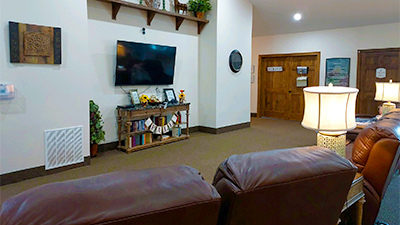
That calmer soundscape assists locals procedure what is happening around them. When there are less voices and fewer synchronised activities, personnel can utilize gentle, direct communication that citizens can follow. This lowers misconceptions that can escalate into aggression or resistance to care.
Repetition and routine that feel natural
People with dementia rely greatly on regimen. Their brain might not keep in mind the other day, however it can still acknowledge patterns: this is my breakfast table, this is the chair where I normally sit, this is the caretaker who helps me with my bath.
In a small dementia care home, regimens are simpler to keep both consistent and versatile. The same dining room table can act as the spot for breakfast, crafts, and afternoon coffee. The exact same caregiver frequently aids with both morning dressing and evening medications. The visual scene changes less, but the human interaction stays abundant and personal.
That combination tends to decrease stress and anxiety. When people know roughly what comes next, even if they can not call it, they feel more secure. You frequently see fewer behavioral outbursts, fewer episodes of "I require to go home," and a higher desire to accept individual care.
Assisted living, memory care, and little homes: how they differ
Families in some cases presume that "assisted living" and "memory care" are entirely different from smaller residential homes. In practice, these terms refer to services and regulative classifications, not strictly to size.
Typical patterns look like this:
Traditional assisted living offers a range of assist with daily tasks such as bathing, dressing, and medication management, normally in apartment-style systems. Activities and dining are more hotel-like, with a focus on social engagement, trips, and amenities. Some homeowners have mild cognitive disability, but the environment caters mostly to those who can navigate independently.
Specialized memory care exists either as a secured unit within a bigger assisted living or as a stand-alone structure. These settings focus on dementia-specific training, protected doors, structured activity programs, and greater staff involvement in daily life. They still tend to be medium to large in size.
Small residential dementia care homes often offer a level of care comparable to or higher than memory care systems, however in a house-like setting. Bed rooms might be personal or shared, and typical spaces feel more like a family living-room than a center lounge. Regulations differ by state or nation, however they generally fall under the umbrella of assisted living or board and care.
When thinking about size, the genuine concern is not, "Is it assisted living or memory care?" It is, "The number of locals share this area, and how does that number impact day-to-day security and confusion?"
Trade-offs and limitations of little dementia care homes
If little homes were perfect for everybody, every big center would have downsized by now. There are genuine trade-offs to consider.
Limited on-site medical resources
Most little homes can not employ full-time nurses, therapists, or doctors. They rely on going to home health, hospice, or nurse consultants. For many residents, that is totally sufficient, especially when staff are attentive and communicate modifications early.
However, if your family member has complicated medical requirements, depends upon regular therapy, or needs close monitoring for conditions like fragile diabetes or extreme cardiac arrest, a larger community with an on-site nurse all the time may be the safer option. The dementia-friendly environment has to be balanced with the medical realities.
Fewer facilities and group activities
Small homes do not have health clubs, theater, or big onsite chapels. Activities are generally more intimate: baking cookies, tending a small garden, reading the paper together, basic exercises in the living room.
For someone who has always drawn energy from big celebrations, performances, or huge group video games, a bigger assisted living or memory care program with robust activity calendars may feel more appealing, a minimum of in earlier stages of dementia. Gradually, as the illness advances, a lot of those individuals end up being more comfortable in smaller groups, but preferences still matter.
Variability in quality
Just as large facilities can be excellent or poor, little homes differ extensively. A warm, well-run 8-bed memory care home is a very different experience from a poorly monitored board and care with the same number of residents.
Because there is less official structure, the culture of a little home depends heavily on the owner and supervisor. Personnel training, turnover, food quality, fire safety practices, and infection control can be exceptional or average. Families need to do more legwork to assess quality, which I will address shortly.
How smaller homes support respite care and smoother transitions
Respite care, whether for a couple of days or a couple of weeks, provides family caregivers a vital break while keeping their loved one safe. For individuals with dementia, however, any modification in environment can be disorienting. The "strangeness" aspect tends to be lower in smaller homes.
Shorter distances, a homelike cooking area, and familiar family regimens frequently make it easier for somebody to change during respite. It feels less like moving into a center and more like remaining at a relative's home that takes place to have expert assistance. Personnel can usually spend more individually time helping the individual orient, explaining where the restroom is, strolling with them to meals, and sitting beside them during the first few nights.
When families are thinking about a permanent move from home care, a respite stay in a little dementia care home can serve as a gentle trial. It allows everyone to observe whether the scale and rhythm of your house minimize confusion and improve safety compared to the current circumstance at home.
What to search for when visiting a small dementia care home
Walkthroughs tell you more than sales brochures ever will. When exploring a smaller dementia care home, focus less on design and more on how the environment and staff interactions will impact security and confusion.
Here is a compact checklist you can bring in your head:
First impressions of calm: As you get in, see whether homeowners seem relaxed, engaged, or noticeably distressed. Periodic agitation is regular, but the general tone should be serene rather than chaotic. Visibility and layout: Stand in the typical area and look around. Can staff easily see bed room doors, restroom doors, and main pathways? Are there confusing dead-end hallways or many identical doors? Simpler is usually better for dementia. Staff knowing the locals: Listen to how personnel talk to citizens and about them. Does somebody appear to understand each person's preferences, routines, and household? Ask a caretaker how they would acknowledge if a specific resident was "not themselves" that day. Safe however not prison-like security: Doors ought to be secured properly for homeowners vulnerable to roaming, however your house should not feel like a locked ward. Ask how they handle a resident who demands "going home." Do they have strategies beyond merely blocking the exit? Nighttime coverage and emergencies: Clarify who is awake in the evening, how many staff exist, and how rapidly emergency services can get here. Request a straightforward description of what occurs if your loved one falls after hours or programs abrupt confusion that may indicate an infection or stroke.You learn as much from how personnel answer these questions as from senior living the answers themselves. Clear, particular responses generally show practiced routines, not improvisation.
Everyday examples of safety and decreased confusion
Abstract principles are valuable, however households typically link finest with common moments. A few composite examples, drawn from real-world patterns, can show how smaller homes play out day to day.
A woman with moderate dementia keeps leaving the range on in your home and has actually fallen twice while walking to her detached garage. Her child frets about her security however dreads the concept of her living in a big building. She moves into a 12-resident memory care home located in a neighborhood. Her bed room is 10 steps from the restroom and twenty actions from the dining table. She eats with the very same little group every meal. Within weeks, her child notices she is no longer calling him in a panic since she "can not find the cooking area." The smaller sized physical space holds the routine for her.
A retired instructor who enjoyed discussion relocations from a big assisted living structure, where she felt continuously overstimulated, into an 8-resident dementia care home. There are fewer people, but the conversations are more regular and personalized. Personnel sit with her during afternoon tea, ask about her mentor days, and include her in small jobs like folding napkins. Her outbursts throughout busy mealtimes disappear, most likely due to the fact that the sensory load is lower and personnel can expect her needs.
A guy with early dementia who tends to wander at night lives in a small home where the night team member works mainly from the open-plan cooking area and living room. His bed room door is visible from that vantage point. When he gets up at 2 a.m., disoriented and heading toward the front door, the caregiver quickly approaches, speaks gently, and provides a snack at the kitchen table. Within half an hour he is calm enough to return to bed. No door alarms stun him or the other homeowners, and the circumstance never ever escalates.
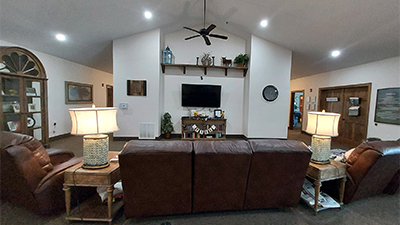
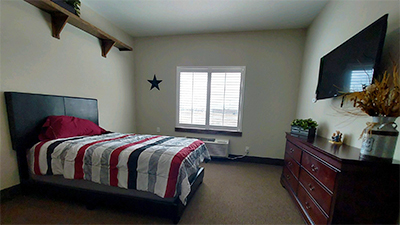
These scenarios have something in common: the scale of the home enables personnel to respond early, gently, and personally, which prevents small confusion from becoming a major security incident.
Questions to ask yourself about your family member
Choosing between a small home, standard assisted living, or a bigger memory care neighborhood is hardly ever easy. The best response depends on the individual, the phase of dementia, and your household's worths. As you weigh choices, it can assist to ask a few pointed questions:
How does my loved one react to crowds, sound, and hectic environments now? Think of household events, restaurants, or medical waiting rooms. Their existing tolerance is a strong hint. Is their greatest danger physical (falls, complicated medical needs) or behavioral (agitation, wandering, deceptions)? Little homes particularly excel at decreasing behavioral triggers, though they can handle many physical risks also. How essential are facilities compared with emotional security? Gym classes, getaways, and on-site salons matter to some people, however for others, foreseeable faces and a calm living-room matter more. How far along is the dementia, and how quickly is it progressing? Somebody early in the disease may at first take pleasure in the range of a larger assisted living neighborhood, then benefit from a later transfer to a smaller home as confusion increases. What level of gain access to do I desire as a member of the family? In little homes, households frequently develop close relationships with personnel and can participate in everyday routines more naturally. Decide how involved you wish to be.There is no single right response. However, for lots of people beyond the very earliest stages of dementia, smaller sized homes line up more carefully with how their brain now processes area, time, and relationships.
Bringing it together
Smaller dementia care homes are not merely "adorable" alternatives to larger senior care neighborhoods. Their scale directly affects security, confusion, and lifestyle. Shorter ranges, less choice points, familiar staff, and minimized noise work together to support brains that now operate with narrower bandwidth.
When families inform me years later on that they are at peace with the care their loved one gotten, they hardly ever discuss chandeliers or calendars loaded with activities. They talk about how personnel understood their father's humor, how their mother stopped attempting to "escape," how your house felt calm even on difficult days.
Whether you are looking for assisted living, devoted memory care, or short-term respite care, it deserves paying close attention to size and design, not simply services and price. In dementia care, smaller sized often suggests more secure, clearer, and kinder to the person living inside the disease.
BeeHive Homes of Plainview provides assisted living care
BeeHive Homes of Plainview provides memory care services
BeeHive Homes of Plainview provides respite care services
BeeHive Homes of Plainview supports assistance with bathing and grooming
BeeHive Homes of Plainview offers private bedrooms with private bathrooms
BeeHive Homes of Plainview provides medication monitoring and documentation
BeeHive Homes of Plainview serves dietitian-approved meals
BeeHive Homes of Plainview provides housekeeping services
BeeHive Homes of Plainview provides laundry services
BeeHive Homes of Plainview offers community dining and social engagement activities
BeeHive Homes of Plainview features life enrichment activities
BeeHive Homes of Plainview supports personal care assistance during meals and daily routines
BeeHive Homes of Plainview promotes frequent physical and mental exercise opportunities
BeeHive Homes of Plainview provides a home-like residential environment
BeeHive Homes of Plainview creates customized care plans as residents’ needs change
BeeHive Homes of Plainview assesses individual resident care needs
BeeHive Homes of Plainview accepts private pay and long-term care insurance
BeeHive Homes of Plainview assists qualified veterans with Aid and Attendance benefits
BeeHive Homes of Plainview encourages meaningful resident-to-staff relationships
BeeHive Homes of Plainview delivers compassionate, attentive senior care focused on dignity and comfort
BeeHive Homes of Plainview has a phone number of (806) 452-5883
BeeHive Homes of Plainview has an address of 1435 Lometa Dr, Plainview, TX 79072
BeeHive Homes of Plainview has a website https://beehivehomes.com/locations/plainview/
BeeHive Homes of Plainview has Google Maps listing https://maps.app.goo.gl/UibVhBNmSuAjkgst5
BeeHive Homes of Plainview has Facebook page https://www.facebook.com/BeeHivePV
BeeHive Homes of Plainview has an YouTube page https://www.youtube.com/@WelcomeHomeBeeHiveHomes
BeeHive Homes of Plainview won Top Assisted Living Homes 2025
BeeHive Homes of Plainview earned Best Customer Service Award 2024
BeeHive Homes of Plainview placed 1st for Senior Living Communities 2025
People Also Ask about BeeHive Homes of Plainview
What is BeeHive Homes of Plainview Living monthly room rate?
The rate depends on the level of care that is needed. We do an initial evaluation for each potential resident to determine the level of care needed. The monthly rate is based on this evaluation. There are no hidden costs or fees
Can residents stay in BeeHive Homes until the end of their life?
Usually yes. There are exceptions, such as when there are safety issues with the resident, or they need 24 hour skilled nursing services
Do we have a nurse on staff?
No, but each BeeHive Home has a consulting Nurse available 24 – 7. if nursing services are needed, a doctor can order home health to come into the home
What are BeeHive Homes’ visiting hours?
Visiting hours are adjusted to accommodate the families and the resident’s needs… just not too early or too late
Do we have couple’s rooms available?
Yes, each home has rooms designed to accommodate couples. Please ask about the availability of these rooms
Where is BeeHive Homes of Plainview located?
BeeHive Homes of Plainview is conveniently located at 1435 Lometa Dr, Plainview, TX 79072. You can easily find directions on Google Maps or call at (806) 452-5883 Monday through Sunday 9:00am to 5:00pm
How can I contact BeeHive Homes of Plainview?
You can contact BeeHive Homes of Plainview by phone at: (806) 452-5883, visit their website at https://beehivehomes.com/locations/plainview/, or connect on social media via Facebook or YouTube
Running Water Draw Regional Park offers shaded walking paths and open green space where residents in assisted living, memory care, senior care, elderly care, and respite care can enjoy gentle outdoor relaxation.